Friday, November 30, 2018

Business Continuity Management (BCM) for better preparedness, response and recovery

A preliminary discussion was held on 19th November 2018 to plan, outline and discuss a plan for rolling out the proposed series of training programmes on Business Continuity Management (BCM) that has been planned under Sri Lanka preparedness Partnership (SLPP)  to make Small  and Medium Enterprises in 03 districts in Sri Lanka better prepared for any business disruptions arising from natural and man-made hazards and for effective respond and recovery. The Sri Lanka Preparedness Partnership (SLPP) in collaboration with the Asian Disaster Preparedness Center (ADPC), the Ceylon Chamber of Commerce and Janathakshan Gte Ltd organized the discussion. It was participated by representatives from Ceylon Chamber of Commerce, MAS Intimate, Dialog Axiata, Sabaragamuwa Chamber of Commerce and National Enterprise Development Authority, ADPC and Janathakshan Gte Ltd.

Asian Preparedness Partnership (APP) was launched in 2017 as a joint initiative of government,  private sector and civil society networks from six countries namely, Cambodia, Myanmar, Philippines, Nepal, Sri Lanka and Pakistan, while ADPC serves as the secretariat. The APP supports the regional, national and local partnerships to prepare for, respond to and recover from disasters by strengthening the leadership capacity of the governments, the private sector and civil society organizations while promoting south-south learning, knowledge exchange and partnerships across and beyond the regions. The Sri Lanka Preparedness Partnership (SLPP) has been formed under the purview of Asian Preparedness Partnership (APP) for preparedness for emergency response. The program will help in improving the inter-organizational coordination by engaging the Local Humanitarian Organizations and Institutions to have increased dialogue with the National Governments and Inter-Agency Networks through partnerships, exchange of information and knowledge resources, training, and networking opportunities.

The discussion was participated by  representatives from Ceylon Chamber of Commerce, MAS Intimate, Dialog Axiata, Sabaragamuwa Chamber of Commerce and National Enterprise Development Authority, ADPC and Janathakshan Gte Ltd.
Mr. A. M. Sanoon from Dialog Axiata explaining the factors to be considered in BCM

The specific objective of the discussion was to formulate a resource group to design, plan and conduct the proposed series of training programmes under the SLPP. The selected resource group cum trainers has been specifically trained to serve the purpose under the Training of Trainers (TOT) programme which was held in July 2018. The Sri Lanka Preparedness Partnership (SLPP) in collaboration with the Asian Disaster Preparedness Center (ADPC), the Ceylon Chamber of Commerce and government of Sri Lanka (Ministry of Irrigation & Water Resource Management and Ministry of Disaster Management) with the support of Bill & Melinda Gates Foundation (BMGF), organized this TOT on Business Continuity Management (BCM) in Colombo, Sri Lanka. The TOT was designed to promote awareness and knowledge of the benefits and key processes of BCM as part of overall efforts for building business resilience. The training aimed to equip the participants to deliver BCM training for micro, small and medium sized enterprises (MSMEs) especially as part of enhancing their value chain and/or corporate social responsibility and environmental sustainability programs.

After a successful discuss the team was able to draft the outline of the training programme, detailed out the content and identified the resource person to conduct the specific training sessions. The tentative timeline was agreed to conduct the training programme and hopefully the first training programme will be able to conduct by mid December 2018.

The Sri Lanka Preparedness Partnership (SLPP) believes that this series of training programmes will help MSMEs to better prepare for any business disruptions arising from natural and man-made hazards and for effective respond and recovery. The lessons and experiences generated through the series of BCM programme will be shared across Asia and the globe.


Thursday, August 16, 2018

Voluntary People’s Review Released on the situation of SDGs in Sri Lanka


A Voluntary People’s Review to provide an realistic situation of the SDGs implementation status in Sri Lanka was released and presented to the Government of Sri Lanka, all stakeholders as well as the United Nations High-Level Political Forum (HLPF)  in July 2018.
 
On the 15th of September 2015, Sri Lanka became a signatory to the global agreement on ‘Transforming our World: the 2030 Agenda for Sustainable Development’. This agreement requires each of the signatory countries to assess their national realities regarding the Sustainable Development Goals (SDGs), when presenting the Voluntary National Review (VNR). The VNR will be presented in July 2018 at the UN High-Level Political Forum.
 
The need for a Voluntary People’s Review in Sri Lanka was  due to the lack in inclusive intent  and  a  clear  rationale within the Voluntary National Review (VNR) process in Sri Lanka. Moreover, to continue the flagship initiative themed ‘A Sustainable Nation - An Inclusive Transformation’, the Ministry of Sustainable Development and Wildlife (MSDW) initiated the ‘National Sustainable Development Engagement Platform’ in early 2016. However, it was only successful for a year during which stakeholders were engaged in the ‘National SDG Action Plan (2017-2020)’ and ‘Provincial Sustainability Plans’ before it was abandoned by the MSDW officials. Since the stakeholder engagement platform was absent during the VNR process which was led by the government, it has received criticism regarding the absence of providing an honest situation for the current status of SDG implementation in Sri Lanka.
 
The Sri Lanka Stakeholder Sustainable Development Goals Platform (SLS SDG Platform) that was established in March 2018, initiated the Voluntary People’s Review (VPR). Janathakshan played a leading role in this process in collaboration with civil society organizations and private sectors.
 
The VPR process was created to provide a realistic situation of the SDGs implementation status in Sri Lanka with the input of experts from both governmental and non-governmental sectors. The SLS SDG Platform was created by the collaboration of Civil Society Organisations, private sector, academia, professional associations, trade unions and etc. The main aim of this review is to facilitate an inclusive transformation towards sustainable development in Sri Lanka. The first event addressing the VPR was held on the 26th of April 2018 at the Nagarodaya Centre and it was organised by the Centre for Environmental Justice.
 
The Process
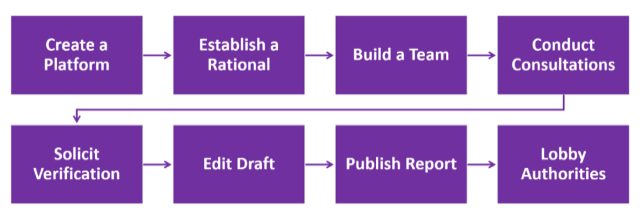
Figure 1 - The process undertaken to formulate the Voluntary People’s Review.
 
 
On the 09 of April 2018, Janathakshan held the SDG stakeholder platform meeting where all the stakeholders who could contribute to the VPR were invited. This meeting identified and discussed the process that would be undertaken to complete the 17 SDG reviews. All the stakeholders present were appointed with the SDGs that are most relevant to their field, Uchita De Zoysa , the SLS SDG Platform initiator, provided a format for each SDG in order to achieve a successful review. This format was created for each of the goals and it included the indicators that define the goals. These indicators were assessed under their baseline values, proposed baseline values and a rationale to the indicator and a pre defined colour code to represent the current status of that respective indicator in Sri Lanka.
 
From the 18th of June, a series of meetings were held in the conference room at the Janathakshan Head Office, where stakeholders continued their research and reviewing of the SDG goals under the guidance of Uchita De Zoysa. The first drafts of the SDG reviews were presented at the SLS SDG Platform workshop which was held at World Vision Head Quarters. These drafts were reviewed again by experts who were invited for the workshop, which led to comprehensive final drafts for each of the Sustainable Development Goals.
 
The final report consisted of 5 chapters, which incorporated the SDG reviews accordingly. Chapter 1 presents a report card on the implementation of the SDGs. Chapter 2 addressed an assessment on the policy and enabling environment for the implementation of SDGs in Sri Lanka. Chapter 3 is regarding a commentary on the transformation towards sustainable and resilient societies in Sri Lanka. Chapter 4 addresses an independent monitoring, evaluation and reporting mechanism on the 17 SDGs in Sri Lanka. Chapter 5 is a summary of people’s voices on leaving no one behind. These chapters provided an overall review on the status of implementing the Sustainable Development Goals (SDGs) while keeping with inclusive transformation objectives that lead towards sustainable development.
 
The link to the final VPR report is available here:
Final VPR Report
 
By: Avishka Sendanayake

Wednesday, July 25, 2018

Communication on Eastern Provincial Climate Change Adaptation Plan

Preparation of Sri Lanka’s Third National Communication on Climate Change and to develop Provincial Adaptation Plans – Eastern province

 
Climate Change Secretariat (CCS) of the Ministry of Mahaweli Development and Environment (MMDE), being the National Focal Point to the United Nations Framework Convention on Climate Change (UNFCCC) is in the process of preparing the Third National Communication (TNC) on climate change to be submitted to the UNFCCC. Moreover, Sri Lanka having the National Adaptation Plan formulated is in the process of preparing Provincial Adaptation Plans (PAPs) for all the provinces. In these processes, it was expected to incorporate provincial data and information with the consultation of provincial and district level stakeholders.

In this respect,  Eastern provincial council chief Secretary office with Janathakshan (Gte) limited  organized  a consultation workshop at the chief secretary office conference hall , Varodaya Nagar ,Kanniya Road, Trincomalee on 20th July 2018 to create awareness on climate change and its impacts on Sri Lanka to identify best ways to collect provincial, district level inputs for the preparation of national communications on climate change, while developing an understanding among stakeholders on data required from various sectors for decision making on climate change related actions (Mitigation, adaptation & reporting).
 
 
About 100 officials  including the officers from department  of Agriculture,  department of education, department of health, department of  rural devolepment,  DMC, District offices of Trincomalee , Batticoloa, Ampara, provincial office and  department of local government etc.  took part in this important discussion. Dr. Sunimal Jayathunga, Director, Climate Change Secretariat (Ministry of Mahaweli Development and Environment), Ms. Ambika Tennakoon, Environment Management Officer,Climate Change Secretariat, Mr. Jagath Vidanagama, Technical Coordinator, TNC, Chief Executive Officer of Janathaksan, Mr.  Ranga Pallawala, Deputy Chief Secretary of Eastern Provincial Planning  and many more senior officials  were among them.


Addressing the event,  Chief Minister of Eastern Province TMS Abeygunawardena stated that  "various development projects, initiatives for rapid economic growth, and artificial changes caused by other human activities; Now the nature of the climate has been changed and it has a lot of impacts. A process is active that proposes regional, district, provincial and national level coordination programs to mitigate the current situation as a response to a  global challenge and to transform the challenge to a sustainable and sustainable challenge. Using this as a great opportunity, we have to put forward plans to cope with climate change in the Eastern Province and implement them.  The impact of the climate is directly and indirectly impacting economic development, poverty eradication, food, drinking water, irrigation, health and social stability. The world has seriously focused on it. Let's see how we can proceed. In this situation, the Eastern province has its plans aligned with  national and international considerations  to be implemented. "
 

The first phase of the program is to raise awareness among government officials to implement changes in the provincial level.
 

Wednesday, July 18, 2018

Climate Change Experience Sharing and ecbi Training and Support Regional Training


The International Institute for Environment and Development (IIED) together with the European Capacity Building Initiative (ecbi) and the Swedish International Development Cooperation Agency (SIDA) organised a four day workshop from 04th to 07th June in Sri Lanka. Janathakshan (Gte) Ltd was selected to be one the  co-organisers in Sri Lanka and Janathakshan handled the logistics and ensured the smooth running of the 4 day workshop which also included a field day. The first two days of the workshop was led by SIDA and IIED and it was on “Climate Change Experience Sharing and Lessons Learning Forum”. The workshop was held at Galle Face Hotel on the 4th & 5th of June, 2018. The final two days, 6th and 7th of the workshop was organised by ecbi and IIED and it was on “ecbi Training and Support Programme Regional Training Workshop for Asia and Pacific.” More than 25 participants representing several countries from the Asia Pacific region took part in both the workshops.
 
The First Day
 
This was initiated with a field visit to Diyatha Park and Diyasaru Wetland Park in Battaramulla, Sri Lanka. The primary objective of the visit was to share the lessons and experience of the urban flood mitigation and urban space development initiatives carried out by Sri Lanka Land Reclamation and Development Corporation (SLLRDC). Diyatha Park and Diyasaru Wetland park are projects that have displayed success regarding urban flood mitigation. Conserving and managing wetland parks in the city of Colombo has other major benefits for social, economic and environmental stability within an urban setting. For instance, from an environmental perspective wetlands provide ecosystem services such as enhancing biodiversity, increase habitats for semi-aquatic species, importantly flood mitigation and also acts as a natural carbon sink. From a social perspective, it is a great stress relief for the busy urban life of a city worker. From an economic aspect, wetland parks can be used to create revenue via tourism. This can be achieved by advertising Colombo as a green sustainable city and bring in great economical profits.
 
Introduction to the field visit also included two presentations from the Sri Lanka Land Reclamation and Development Cooperation (SLLRDC); One presentation was on “Wetlands for Flood Resilient” and the other was on the “Weras Ganga Storm Water Drainage and Environment improvement Project”. These presentations provided insight into the recent development successes in Sri Lanka with regards to flood mitigation.

The field visit ended with fruitful lessons and experience on urban flood mitigation strategies and plans to prepare for climate change.The first day ended with a visioning session held in the afternoon to identify the priorities and incentives for each country to shift towards low carbon resilient development, setting the background for the day two of the workshop.
 
Second Day
 
Climate Change Experiencing Sharing and Lesson Learning workshop was to share experiences between nations and compare and analyse the differences. The workshop initiated with presentations from both Mr. Manjeet Dhakal from Nepal and Mr. Thinley Namgyel from Bhutan. They discussed the planning process and implementation of the Paris agreement objectives. After that, Pascale from the Legal Response Initiative gave a brief presentation on plenary report and intervention which addressed legal tools available while implementing climate plans. A video presentation was sent by Marshal Islands which discussed the development of long term climate strategies while also sharing experiences from their country.
 
 
These presentations and discussions provided plenty of insight into climate change related policy and projects that have been undertaken in the Asia Pacific region. These provided base for the final group discussions which were categorised into 3 parts namely,  increasing national transparency, strengthening institutions and capacities for better NDC implementation and  financing NDC implementation.

The Third Day
 
The  ecbi (European Capacity Building Initiative)  2 day training workshop for junior negotiators from vulnerable developing countries was a regional training workshop for Asia and Pacific. The introduction for the workshop focused on the UN guidelines. Achala Abeysinghe, head of the ecbi Training and Support Programme, outlined the purpose and objectives of the training workshop. She stated that the goal way to iron out the inequalities between states and address the challenges that prevent developing states from proactively taking part in the process. After the morning refreshments, first session addressed the tips and tricks of becoming a better UNFCCC (United Nations Framework Convention on Climate Change) delegate. During this first session, Manjeet Dhakal, advisor to the LDC chair, provided a brief note on UNFCCC proceedings, Paris agreement and some practical information.
 
The second session was presented by Gebru Endalew, who is the current Chair of the Least Developed Countries (LDC) Group for the UNFCCC. focused on the 2018 UNFCCC negotiations and describing the outline for the year ahead. This session addressed what is at stake, what needs to be achieved, and the important events that are relevant to the UN climate negotiations.
 
Session 3 covered the part 1 of mock negotiations convened; the topic for this year’s mock negotiations was on Gender and Climate Change. All participants were provided with a draft decision, other related documents and a Pocket Guide to Gender Equality as a advance reading on the topic. Each participant was ask to select a placard with any country and act as a delegate from the respective country, the resource people acted as advisors for all delegates. The Chair to the mock negotiations Gebru Endalew lead the session and it was a success with many participants speaking up on their designated countries and supporting one another while also opposing each other’s stance on the topic.
 
The 4th session discussed adaptation and the Paris agreement and it was addressed by Thinley, Chief Environment Officer, National Environment Commission, Bhutan.  Participants shared their thoughts on adaptation communications or the National Adaptation Plan (NAP) and their countries plan to implement them. The final session of the day was used to discuss the negotiations and feedback on the proceedings.

Final Day
 
The final day of the workshop initiated with a group position scenario where participants were asked to negotiate a G77 Group position based on a hypothetical suggestion from the Umbrella Group that the SBSTA undertake work on geoengineering techniques as a response to climate change under the guidance of the G77 Chair.
 
The second session of the day focused on the Talanoa Dialogue and its role within the Global Stock-take (GST). It was presented by Manjeet Dhakal explaining the role of  Talanoa Dialog. Talanoa dialog is supposed to facilitate discussions amongst the parties to increase their ambition through their NDCs. GST will assist parties to bridge the mismatch between their own commitments and the commitments needed to realise the Paris Agreement.
 
 
The third session was presented by Anju Sharma, it was regarding means of implementation and the Paris Agreement addressing major provisions for finance, capacity building and technology development and transfer under the Paris Agreement. In summary, climate finance is elusive at present due to disagreements between developed and developing countries regarding the climate finance gap and the arbitrary figure of $100 billion contributions. She explained the role of Green climate Fund and the Adaptation Fund and methods of accessing these funds for developing nations.
Pascal Bird, legal officer and advice coordinator, Legal Response Initiative addressed the fourth session which was on enhanced transparency framework. She explained the importance and the need for transparency under the Paris agreement. Transparency framework covers both mitigation and adaptation and she highlighted that transparency reviews can still be done after the NDC submissions. Some of the key challenges for parties for the next steps is the need to discuss the interlinkages with mitigation, adaptation, finance, accounting and guidance for NDCs.
 
Mock negotiations for the second part focused on finalising a proposed text. Gebru Chaired the second sessions as well and the role of the secretariat was played by the ecbi team. The delegates negotiated topics including gender, technology transfer, finance and capacity building. Once again the mock negotiations were very successful at representing the real negotiations.
 
The final session was addressed by Binyam Gebreyes, researcher in the Climate Change Group at IIED. An effective compliance mechanism will help countries to implement the agreement and encourage them to carry out their obligations. Compliance mechanisms have features such as expert driven evaluations, facilitative mechanisms, transparency, non adversarial dispute resolution mechanism and more.
 
The ecbi workshop concluded with a feedback session, where participants and the organisers shared their thoughts and thanked each other for a successful workshop. Special emphasis was given to the mock negotiations and everyone appreciated the realistic simulation of the negotiations, where the chair for the mock negotiations was Gebru Endalew who is the current Chair of the LDC group at the UNFCCC.
 
Organisers are thankful for the attendance of all the participants and for representing 13 countries and hope that participants will continue and practice what they learnt during both the workshops.

Written By- Avishka Sendanayake

Wednesday, May 30, 2018

BCoB Project support changed their lives forever...


Gurumada is small village situated in Meegahakiula. This area is warm and dry with limited access to clean water, but Shamali (46), Wijeratne (51) and Wathsala (16) call it home. Since the village is in one of the poorest regions in Sri Lanka, this family was facing many difficulties with their livelihood. As the father is the bread winner in the family, he used to go to the farmers market a few days a week and earn a living for his family.

"We found out Wathsala was a slow learner when she was in preschool" says Shamali. As a caring mother, she worried constantly about Wathsala as she was bullied in school. "She went to school only until grade 7, since she did not realize that she is a teenager, she smiled with anyone and that led to complications with certain boys getting the wrong message". Shamali stayed at home to take care of Wathsala.

It was a very difficult situation for their family as only one person in the family was having an income, and even that was not a steady income. Shamali said that they were in desperate need for a better livelihood.

Shamali then said with a smile, “The BCoB project (Bridging the Community on Board)  provided us with the financial aid, which we used to build the shop". BCoB is a jointly implemented project by Janathakshan and World Vision Lanka. With the aim of building resilience in civil society organizations the project also helps some families to strengthen their livelihoods. Shamali and family were able to reach the project staff  through the Samaja sewa ayathanaya, which is a civil society organisation. It has been around one year since they have built their shop. Now the husband does not need to travel far on a daily basis to earn a living.

Shamali and Wijeratne manage the shop together. "Our customers mainly come to our shop for a cup of tea; it is the only shop in the village that serves tea", says Shamali. They have expanded their shop to make space for a table and a few chairs for customers that come for tea and short eats.
They have been quite successful with maintaining the shop. They use their day to day income to bring commodities needed for the shop. They also involve Wathsala for the day to day chores at the shop.

"I help my mother to cook", says Wathsala with a joyful smile. Shamali hopes that one day Wathsala will be able to care of herself. "Wathsala likes to cook, when I'm cooking she comes and helps me by cutting tomatoes and onions", says Shamali. Specialists have informed Shamali that Wathsala's condition will improve with her age. Shamali mentioned that "Wathsala's condition has improved a lot in comparison to previous years".
 
They are optimistic about the future and believe that they can maintain the shop for years to come. "Our future plans for the shop is to get electricity and a fridge so that we can provide some cool drinks to our customers", said Shamali. She also mentioned that improving the shop provides a great deal of hope for the future of Wathsala and that they are hoping to save some money and open a bank account for her to use in the future.


By - Avishka Sendanayake

Thursday, September 21, 2017

A great leap forward, one step at a time......

An awareness programme on basic weather & climate information, collection of relevant data and weather forecasting was conducted today, 21st September at Kurunegala agro-meteorological station for a group of farmers of “Shakthi” farmer organization in Kumbukwewa GN division of Kotawehera divisional secretary division in Badulla district. This is the first of the series of awareness programmes for selected farmer groups representing 06 districts of Sri Lanka namely Hambantota, Badulla, Rathnapura, Anuradhapura, Kurunegala and Batticaloa.
Farmers listening to the introductory presentations
Onsite demonstration on reading weather data
Equipments available at  Kurunegala Agro-meteorological station


Issuing of a rain gauge to the farmer organization to establish a community managed rain fall station and inducting the farmers on collecting rainfall data also took place as a part of the awareness programme. The plan is to establish another 05 community managed rain fall stations in the other 05 project locations as well.   
President of the Shakthi farmer organisation receives the rain gauge issued by the DOM

Demonstration - measuring of rainfall

The programme has been organized under the research project “Bridging the Climate Information and Communication Gaps for Effective Adaptation Decisions: An Integrated Climate Information Management System (ICIMS) jointly implemented by the Department of Meteorology (DOM), Institute of Policy Studies (IPS), Janathakshan Gte Ltd and South Asian Network of Development and Environmental Economics. The key objective of the project is to reduce the vulnerability of farmers to climate risks and increase their adaptive capacity to face them. This is to be achieved through enhancing the rational use of climate information products in order to improve the effectiveness of adaptation decisions taken by farmers and policymakers/experts in their respective decision-making spheres. (Please click the here for more information about the project)

The training programme was quite successful with the active participation of the farmers and their response and feedback was impressive. Stating the importance of the research project they certified their contribution and active participation throughout the project. The participation of the farmers was awarded with a certificate at the end of the programme.
Farmer group with the officers of DOM, IPS and Janathakshan


This awareness programme is a one important step towards achieving the project objective and various other activities are being implemented and tested in the ground to serve the purpose. The efforts will be continued through a participatory, inclusive and innovative approach.

Sunday, July 9, 2017

Local Action: Global Thinking: Knowledge Sharing Symposium 2017 on Global Environment Facility/SGP UNDP funded projects and Community Based REDD+ (CBR+) projects implemented in Sri Lanka

Date: July 9-10, 2017
Time:9.00 am  to 5.00 pm
Venue:Gamini Dissanayake Auditorium, Mahaweli Centre, No. 69, Ananda Coomaraswamy Mawatha, Colombo 07
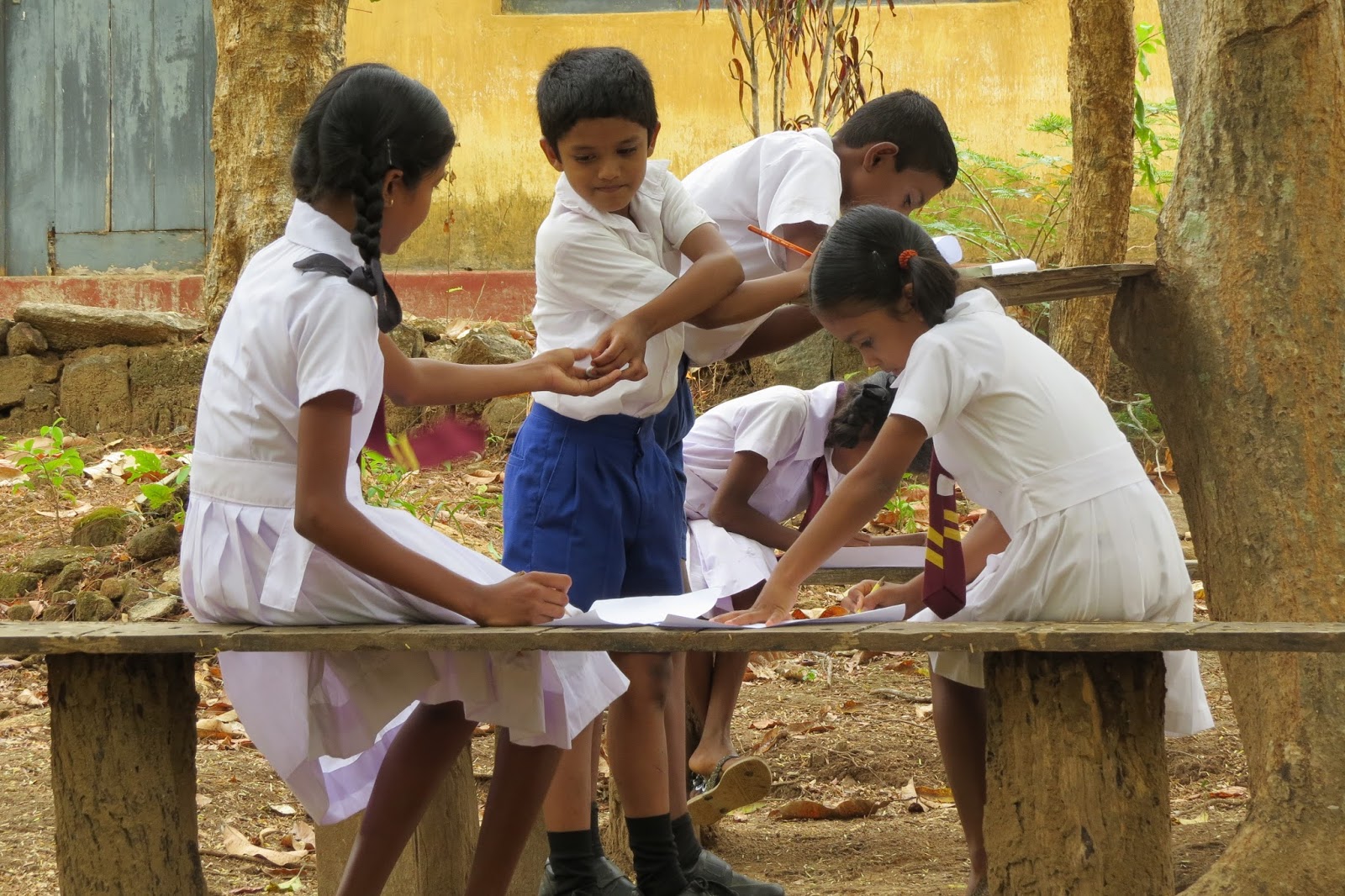
The primary purpose of the symposium is to share the knowledge, lessons and experiences of the CBR+ projects implemented in Sri Lanka. During the 02 day symposium CBR+ partners will present their experiences and lessons learnt. As the symposium is held in partnership with GEF/SGP Sri Lanka programme, projects implemented in the Operational Phase V will also be presented.

The symposium is held in coordination with the World Environment Day Celebrations which are held on 09th and 10th July at the Public Library premises, Colombo 07. The main organizing partner for the event is the Sri-Lanka Nature Forum (SLNF) - a partner Network of the Global Environment Facility/Small Grants Programme, UNDP. Other UN agencies and government and private sector organizations will offer assistance and support to the effort. The event will have exhibition stalls of environment and education value, on Selected GEF/SGP UNDP and Community Based REDD+ projects implemented at community level. Other parallel events will also take place during the two days.

An exhibition of environment products of communities will be the main attraction. Awards to school children on art work competitions will take place, several publications will also be launched at the symposium.

Thursday, December 1, 2016

Baduludena (බදුà¶½ුදෙà¶±): a hidden village in Badulla.

Baduludena (බදුà¶½ුදෙà¶±is a remote village in Haldumulla (à·„à¶½්දුම්මුà¶½්à¶½) Divisional Secretary Division of Badulla District that is occupied by 125 individuals belongs to 25 families. Geographically it is located in far rural southwest corner of the Uva (ඌව)province within the Kosgama (à¶šොà·ƒ්ගම) forest area of Haputale (à·„à¶´ුà¶­à¶½ේforest range.


Presently a single access road links the village with the rest of the world. The condition of the road is worsened due to long negligence allowing only land-vehicles to move. Villages have to move nearly 3 Kilometers by foot along this road to reach Badulla- Kosgama main road to access public transport service. 

The village has no access to the electricity from the main grid but they get electricity from a mini-hydro power plant located around 2 kilometers away from the village owned by a private company. Apart from that some households use solar panels to obtain electricity.

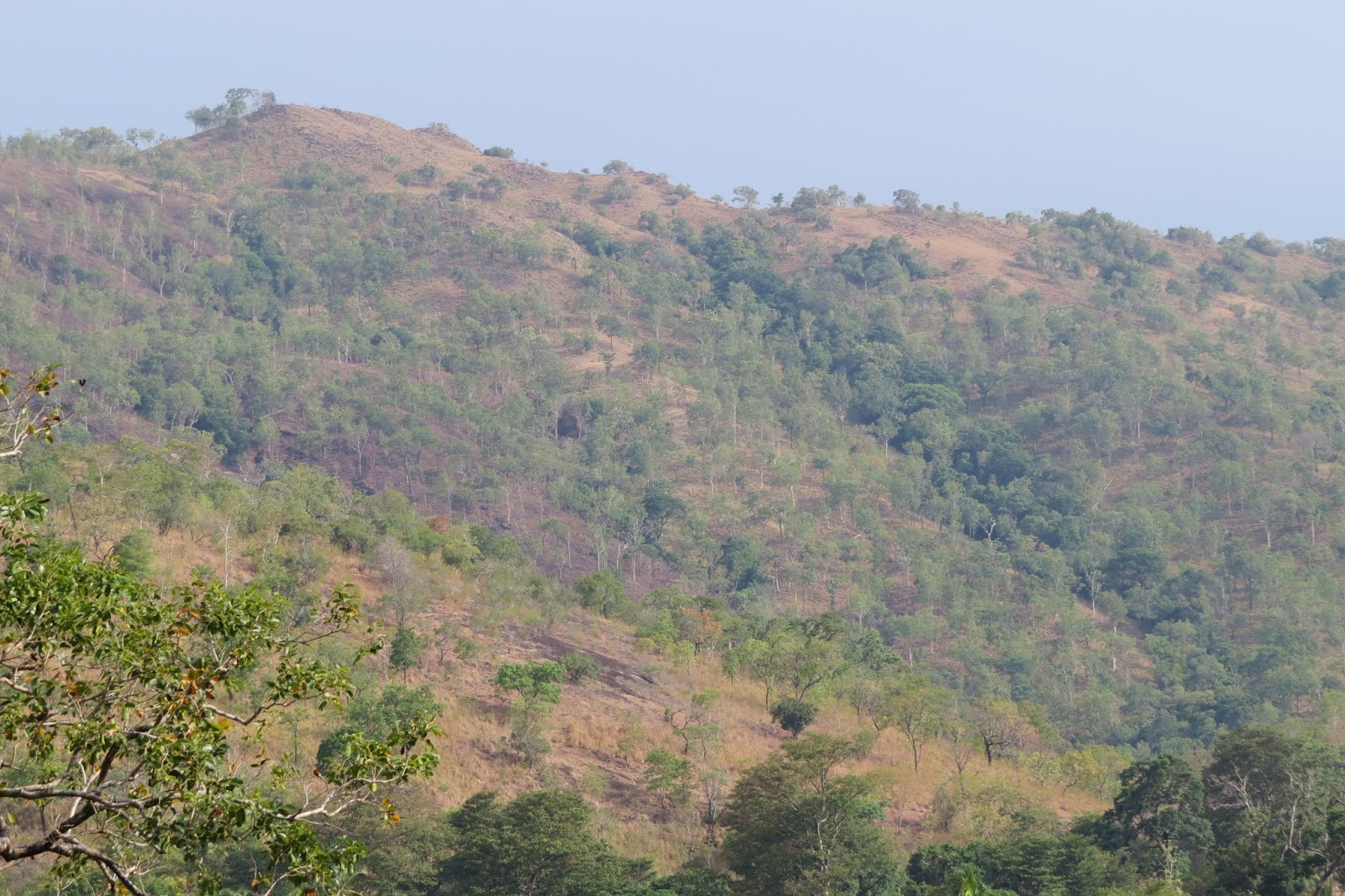
The villagers have to visit several miles to access public services such as health, postal and agrarian services. But the village has a school with 06 children belongs to different grades and they are blessed with 06 dedicated teachers.  

The major occupation of the villages is agriculture, mainly the paddy cultivation. Furthermore, villages cultivate vegetable during the season that paddy cultivation is not done.  With this state villages are highly depending on the adjacent forest. They collect various non-timber forest products from the forest as an alternative livelihood option. Also, most of the villagers owning cattle and they are freely grazing in the close by forests. Such practices with the forest have caused forest degradation. Villages found insensitive about their forest exploitation (such as breaking tree branches and setting fire have fresh grass for cattle). Forest fires are frequently reported and villages set fire to dead grasses during the dry spells just before the onset of monsoon rain. Annually many such fires are taking place leading to heavy forest degradation. 

For further information about the case please refer the following article to know more about the village.


Note: Baduludena in one of the project site under CBR+ Project  under GEF small grant programme. The project is implemented by Sabaragamuwa Community Development Foundation. Janathakshan assists the implementing organization by building their capacity and Sharing learning and best practices.
The access road to the village


The paddy field

Community hall and the religious place

A house in the village

A house in the vilalge

The village tank

A solar panel used to obtain electracity

The road to the village school

The village school

Students

The village is protected by an electric fence as the village is threaten by wild elephant attack.
Frequent forest fires

The degraded forest lands due to forest fires

The degraded forest lands due to forest fires

The degraded forest lands due to forest fires

The degraded forest lands due to forest fires

Monday, July 11, 2016

Rebuilding together – people's participation on disaster prevention, preparedness and response: a forum on disaster risk reduction and participatory governance


Date: 21 July 2016
Time: 14.00 hrs – 18.00 hrs
Venue: Auditorium of Sri Lanka Institute of Local Governance (17, Malalasekara Mawatha, Colombo 07)

Introduction to the forum:
The adverse effects of climate change are increasingly gaining visibility in the form of frequent natural disasters and the destruction of eco systems.  If Sri Lanka as a country doesn't accept the seriousness of climate change and fails to adapt, it would imperil the lives and its citizenry and the overall progress of the country.

In retrospect, so far natural disasters have been dealt with and responded to in an overall top-down, command and control approach, where there have been very limited space for affected communities to be engage in any decision making process with the government. This approach has been proven unsuccessful and ineffective as it has caused civil unrest among communities. It is evident that a single centralized authority is capable of responding to disasters in an inclusive, sustainable and effective manner.

Undeniably, local government structures have played a significant role in responding to disasters. As they are much more closely linked with affected communities, they are able to identify real needs of affected communities in order to respond in an effective and efficient manner. 

This raises concerns on if the aforementioned local governance structures possess the capacities, resources and overall space in disaster prevention and response. What legal and policy barriers need to be overcome to ensure a higher level of effectiveness in serving affected communities? To which extent are affected communities, especially vulnerable groups as women, ethnic minorities and disable people have the space to engage in decision making processes of disaster relief responses? Are we ready to accept affected communities as dignified citizens rather than mere beneficiaries, who have the right to receive support to rebuild their lives? The better we get at answering the above questions, the more effectively we would be at responding to natural disasters through stable participatory governance structures.

Sri Lanka Institute for Local Governance (SLILG) in collaboration with Participatory Governance Forum is organizing a forum - Rebuilding Together – People's participation on disaster prevention, preparedness and response' to initiate this discussion.

The key objectives of the workshop are,

  • To identify the role of local governance structures in disaster risk reduction and the challenges they are facing
  • Share the best practices, learning and experiences of various actors in locally owned disaster prevention and responding initiatives
  • Develop guidelines to influence policy and program changes at national and provincial level

During the forum various stakeholders will present their experiences, challenges and success stories in local government and community governance structures in disaster risk reduction and a  Memorandum of Understanding (MOU) will be signed between the Ministry of Local Governments and Provincial Councils and Kerala Institute of Local Administration on knowledge and experience sharing on local administration and participatory governance.

About the organizers

Sri Lanka Institute of Local Governance (SLILG), which was established in 1999 under the purview of Ministry of Local Government and Provincial Councils, is the mandatory organization to facilitate the enhancement of institutional and managerial capacities of provincial councils and local government institutions.

Participatory Governance Forum (PGF) is a collective of government and nongovernmental organizations, research think-tanks and individuals who are involved in researching, piloting and implementing innovative approaches of participatory governance.


Wednesday, July 6, 2016

Janathakshan contributes to the Poverty Environment Partnership’s Joint Paper on Sustainable Development Goals (SDG) and Climate Action

Janathakshan  Gte Ltd contributed to the Poverty Environment Partnership’s  Joint Paper on Sustainable Development Goals (SDG) and Climate Action titled “Getting to Zero: a poverty, environment and climate call to action for the sustainable development goals.

This paper builds on the new global sustainable development framework: making the case to mainstream poverty, environment — and now climate — issues into the centre of efforts to implement the SDGs, nationally Determined Contributions and other initiatives towards the 2030 agenda. The paper addresses the significant scale of linked poverty, environment and climate problems and emphasizes the need for structural reforms, especially to improve inclusion.

The paper will be launched in New York next week. Twenty four eminent organizations (please refer page no 03 of the paper)  including across the world ADB, Global Green Growth Institute, Austria Development Agency and Norwegian Foreign Ministry jointly compiled the paper.

Please click the below link to read the full paper:
Getting to Zero: a poverty, environment and climate call to action for the sustainable development goals

Wednesday, June 29, 2016

Regional Consultation Workshop on “Bridging the Climate Information and Communication Gaps for Effective Adaptation Decisions: An Integrated Climate Information Management System (ICIMS)

 A Regional Consultation Workshop on “Bridging the Climate Information and Communication Gaps for Effective Adaptation Decisions: An Integrated Climate Information Management System (ICIMS)” was held on 21 & 22 June 2016 at Galadari Hotel, Colombo. The workshop was organized by the Institute of Policy Studies of Sri Lanka (IPS) with South Asian Network for Development and Environmental Economics (SANDEE), Janathakshan Gte Ltd and the Department of Meteorology of Sri Lanka (DOM).


The primary objective of the workshop was to identify the different models of ICIMS that combine the strengths of decision criteria used by farmers, CIP providers and policymakers for successful outcomes of adaptation. Around 35 participants representing Bangladesh, India, Tanzania, Sri Lanka, Kenya, Pakistan & Thailand were attended the workshop.